
Joint Stiffness After 60: What Changes, What Helps and When to Worry
Updated November 23, 2026 · By the artibrexjoints.com editorial team · How we write these guides
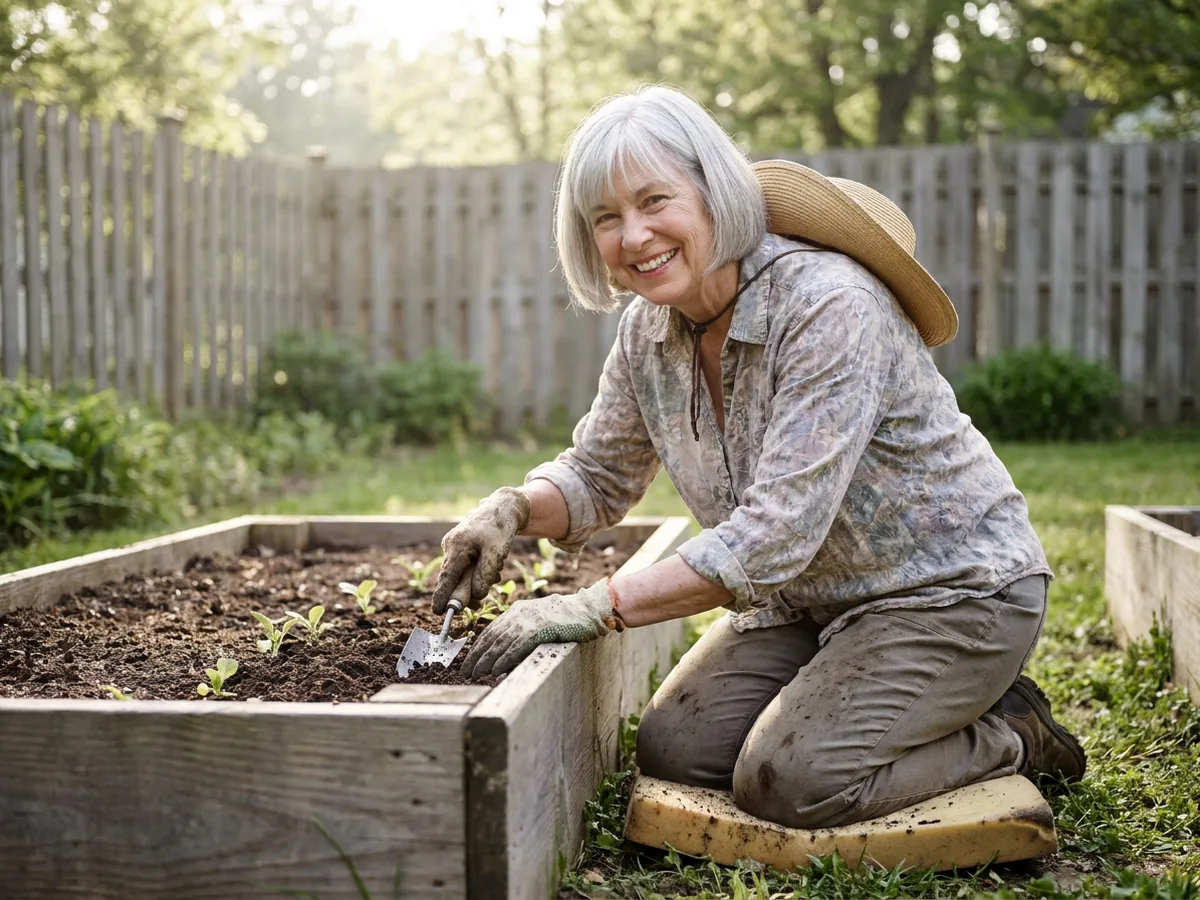
Stiffer knees, hips and hands after 60 are common, but they are not something you simply have to accept. Cartilage changes with age, muscles lose strength faster if they are not used, and old injuries catch up with us. Yet the things that keep joints moving, like regular activity, strength, a healthy weight and early attention to warning signs, still work at 60, 70 and beyond.
About one in five adults in the United States has been told by a doctor that they have some form of arthritis, according to the CDC, and it becomes more common with every decade. This guide covers what changes in your joints after 60, the habits that protect them, the signs that need a doctor, and how to think about joint supplements so you spend your money wisely.
What changes in your joints after 60?
- Cartilage holds less water and becomes less springy. In osteoarthritis it thins and roughens, most often in the knees, hips, hands and spine. NIAMS describes osteoarthritis as the most common type of arthritis.
- Muscles lose mass and strength with age, especially without regular use. Weaker thighs and hips mean more load on the knee and hip joints and a less steady walk.
- Tendons and ligaments become a little less elastic, which adds to the stiff feeling after sitting.
- Old injuries, like a knee hurt in sports or a work injury, raise the chance of arthritis in that joint later.
- Body weight often drifts up, and the knees feel every extra pound.
None of this happens at the same pace for everyone. Two people of 70 can have very different joints, and lifestyle explains a large part of that difference.
Is it arthritis or just getting older?
Often it is osteoarthritis, which is so common in older adults that many people call it "just age". The name matters less than the pattern:
| What you notice | What it usually means |
|---|---|
| Stiff for a short while after waking or sitting, better once moving | Typical of osteoarthritis |
| Ache after a busy day, better with rest | Typical of osteoarthritis |
| Grinding or crackling in the knee, bony bumps on finger joints | Common with osteoarthritis |
| Stiff for an hour or longer, puffy warm joints on both sides, tiredness | A pattern to check for inflammatory arthritis |
| Sudden hot, red, very painful joint | Needs care the same day |
For details by joint, see stiff knees in the morning, aching hips and stiff hands and fingers.
Which habits protect your joints after 60?
1. Move most days
Walking, cycling, water exercise and tai chi all help stiff joints, and exercise is strongly recommended for knee, hip and hand osteoarthritis in the American College of Rheumatology and Arthritis Foundation guideline. The CDC's target for older adults is at least 150 minutes of moderate activity across the week, plus strength work on two days and balance activities. Start where you are and build slowly; our gentle movement routine lays out a simple week.
2. Keep your legs strong
Strong thigh and hip muscles steady the knee and hip and make stairs, chairs and car seats easier. Sit-to-stands from a sturdy chair, bridges and step-ups are simple ways to start. A few sessions with a physical therapist pay off for years.
3. Watch the load on your knees
If you carry extra weight, losing even a little reduces the force on your knees with every step; in one group of older adults with knee osteoarthritis, each pound lost meant about four pounds less load on the knee per step.
4. Protect your balance
Stiff, weak legs make falls more likely, and a fall can turn a stiff hip into a broken one. Balance exercises, good lighting, rails on both sides of the stairs and removing loose rugs are simple ways to stay steady.
5. Use the right tools without embarrassment
A cane in the hand opposite the sore knee or hip, a thumb splint, jar openers, a raised toilet seat and higher chairs are recommended for a reason: they let you stay active and do things for yourself.
6. Sleep and mood count too
Poor sleep makes aches feel worse, and aches make sleep worse. A pillow between the knees for side sleepers, a warm shower before bed and a regular bedtime help. Feeling low about lost activities is common; talking to your doctor about it is part of joint care.
See a doctor if a joint is suddenly hot, red and swollen; you have a fever with joint pain; you fell and cannot bear weight; morning stiffness lasts more than an hour most days; several joints swell at once; or you are losing weight without trying.
Are joint supplements worth it after 60?
Supplements are the most crowded and most confusing part of joint care. A few honest rules help you spend wisely:
- Supplements support; they do not treat. Nothing in a bottle replaces movement, strength work or a diagnosis.
- Know the evidence for the classic options. The 2019 ACR and Arthritis Foundation guideline recommends against glucosamine, and against chondroitin for the knee and hip (conditional for the hand). NCCIH calls the early evidence on turmeric for knee osteoarthritis positive but not yet definitive. See our comparisons with glucosamine and chondroitin and turmeric.
- Check with your doctor or pharmacist if you take any prescription medication, especially blood thinners, or have surgery planned.
- Judge by daily moments, not by feeling. The stairs, the jar lid, the length of your walk.
- Buy where there is a real guarantee, and avoid marketplace listings of brands that are not sold there.
Where ArtiBrex fits for adults over 60
ArtiBrex Joint Mobility Support is made for exactly this age group: grandparents over 60 tired of stiff, aching knees, hips and hands, who have tried pills, creams and therapy and do not want to lose their independence. It is a morning capsule, taken as directed on the label, built around Okinawan ginger (for its 6-gingerol), with a protected B-vitamin complex, undenatured type II collagen and Boswellia serrata. The label says it supports healthy joints, flexibility, cartilage function and comfortable movement. The brand does not publish per-serving amounts.
What people over 60 want back is concrete: easier first steps out of bed, stairs facing forward, opening the jar and getting in the car without asking for help, kneeling with the grandkids and getting back up alone. Those are the right things to watch, bottle by bottle, over the 90 days the guarantee covers.
| Package | Price today | Per bottle | Regular | Off |
|---|---|---|---|---|
| 3 bottles | $99 | $33 | 78% | |
| 2 bottles | $89 | $44.50 | 70% | |
| 1 bottle | $79 | $79 | 47% |
Every package ships free within the USA. You will see BEMONY*ARTIBREX on your card statement. If it is not for you, email support@artibrex.com within 90 days of the purchase date to ask for a refund. ArtiBrex is sold only on the brand's own checkout, not on Amazon, Walmart or eBay.
Buying for a parent?
Many orders are placed by adult children. A few tips: check your parent's medication list with their pharmacist first, put the bottle where the morning routine happens (next to the coffee maker or the pill organizer), and agree on two or three moments to watch together, such as the stairs or the morning walk to the mailbox. Small, steady wins are what keep a routine going.
Questions people ask
Is joint stiffness normal after 60?
It is common, often from osteoarthritis, but it is not something you simply have to accept. Activity, strength and a healthy weight still make a real difference.
How common is arthritis?
About one in five U.S. adults has been told by a doctor they have some form of arthritis, according to the CDC, and it becomes more common with age.
What is the most common type of arthritis in older adults?
Osteoarthritis, which most often affects the knees, hips, hands and spine.
Are joint supplements worth it after 60?
They can be a supporting habit, not a treatment. Check with your pharmacist about your medications, judge a product by daily moments like the stairs and jar lids, and buy where there is a real guarantee.
What joint symptoms need a doctor?
A suddenly hot, red, swollen joint, fever with joint pain, a fall with inability to bear weight, morning stiffness over an hour most days, or several swollen joints at once.
Who is ArtiBrex made for?
Adults over 60 with stiff, aching knees, hips and hands who want a simple morning step to support everyday movement and doing things for themselves.
Keep reading
Sources
- CDC: Arthritis
- NIAMS: Osteoarthritis
- CDC: Physical activity for older adults
- NCCIH: Turmeric
- Messier SP et al. Weight loss reduces knee-joint loads in older adults with knee osteoarthritis. Arthritis & Rheumatism, 2005
- Kolasinski SL et al. 2019 ACR/Arthritis Foundation osteoarthritis guideline. Arthritis & Rheumatology, 2020
This guide is general information for adults, not medical advice. ArtiBrex is a dietary supplement; it is not a treatment for arthritis or any disease. If you take medication, have surgery planned or have a medical condition, talk to your doctor first.